Hi, I'm Máté.
I help organizations design systems that cut busywork and unlock opportunity - so people can focus on work that actually matters.
Scope of Practice
I work at the intersection of systems, people, data, and commercial execution—helping organizations solve complex problems, align around value, and operationalize ideas that actually stick.My work spans internal organizational systems and complex, consultative sales environments, where progress depends on alignment, trust, and disciplined execution across multiple stakeholders. Whether the challenge is internal transformation or market-facing growth, the focus is the same: reduce noise, surface what matters, and build systems that support better decisions and outcomes.
01. Problem Framing, Value Definition & Alignment
I work closely with leaders and teams to clarify the real problem before solutions are designed—aligning business objectives, people dynamics, customer value, and data signals so effort is spent where it actually matters.This includes deep experience in complex sales and value-based environments, where success depends on framing outcomes clearly, navigating competing priorities, and aligning diverse stakeholders around a shared definition of value. My approach helps teams move beyond surface-level requirements to address the underlying drivers of decisions, commitment, and long-term adoption.
02. System & Process Design
I design people, data, and operating systems that simplify complexity, reduce friction, and support better decision-making at scale—across internal operations and customer-facing commercial workflows.This work often includes organizational and operating model design; workforce analytics and decision frameworks; process design and automation; sales process architecture; value-selling frameworks; and enablement materials.The goal is always the same: build systems that are coherent, usable, and trusted—designed for how people actually work, sell, and make decisions, not how they’re supposed to in theory.
03. Implementation & Change
I support ideas through rollout, iteration, and adoption—guiding teams through change with clarity, empathy, and accountability so solutions become part of how work actually gets done.
This includes deploying new operating and sales processes, designing enablement that accelerates adoption, and coaching leaders through the behavioral shifts required to sustain change. Whether implementing an internal system or a new commercial motion, I focus on making change practical, measurable, and durable—so progress continues long after launch.
How I Work
01
I start by clarifying the real problem.
Before tools, frameworks, or solutions, I focus on understanding what’s actually broken, who it affects, and why it matters. Clear problem definition saves time, money, and trust downstream.
02
I align people, data, and incentives early.
Good systems fail when they ignore how decisions are made in practice. I work with leaders and teams to align metrics, ownership, and incentives so the system supports—not fights—the work.
03
I design systems meant to be used.
Elegance matters, but usability matters more. I design processes and tools that fit how people actually work, not how they’re supposed to work on paper.
04
I stay involved through implementation.
Real impact happens after launch. I remain engaged through rollout, iteration, and adoption to ensure solutions stick and become part of day-to-day operations.
Impact & Case Studies
CASE STUDY
Workforce Analytics &
Staffing Intelligence at UPS
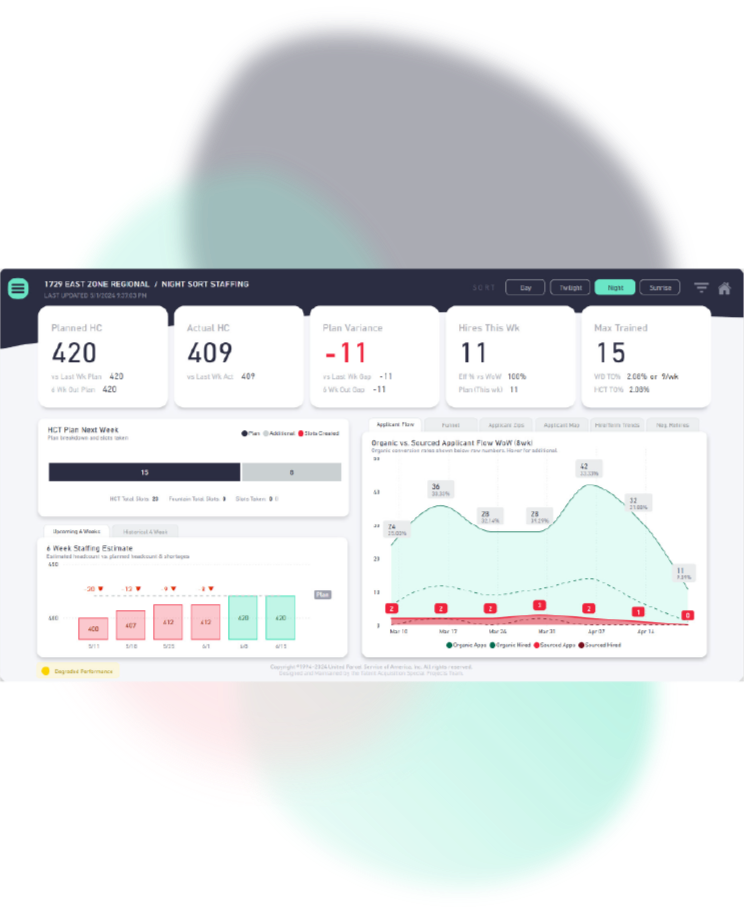
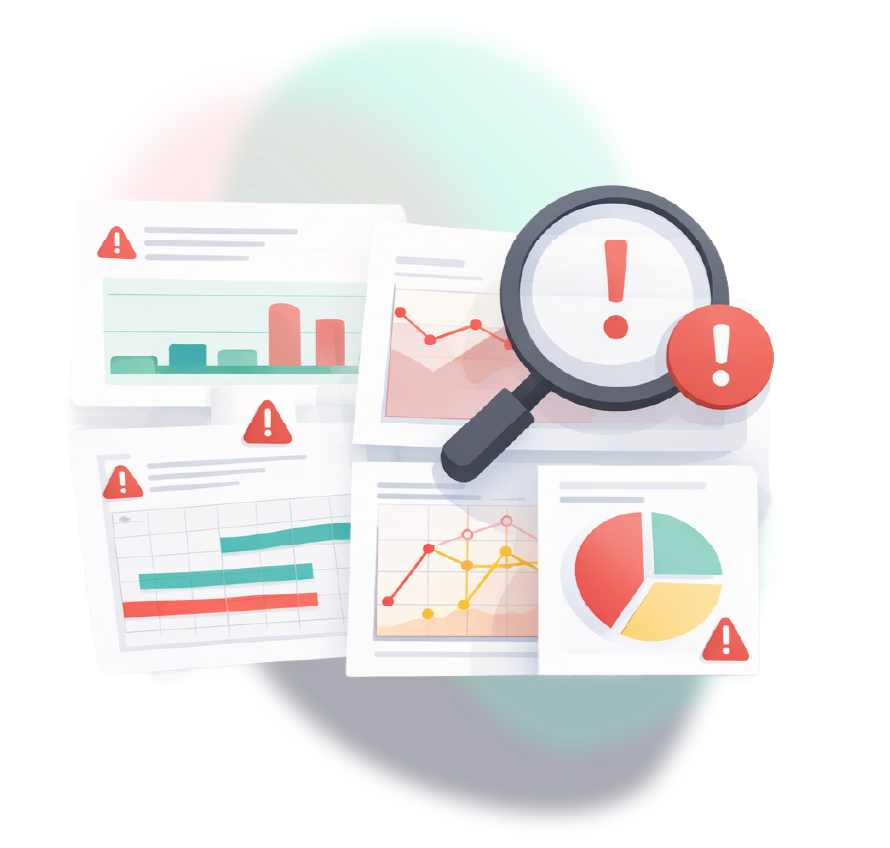
UPS operates at massive scale. Staffing decisions are made daily across multiple shifts, regions, and timelines — often under pressure, often with imperfect information.At the time, staffing data existed, but it lived across spreadsheets, static reports, and disconnected systems. Leaders were spending more time reconciling numbers than making decisions.
For decades, staffing decisions relied on experience, instinct, and static reports.
That approach no longer scales.
As operations grew more complex, the data supporting them didn’t keep up.
The Problem
Operational leaders needed to answer basic questions quickly:
Do we have enough staffing for next week?
Where will we be short in 3–6 weeks?
Are we hiring enough to offset attrition?
What levers can we pull before issues become service failures?
Those answers required manual effort, tribal knowledge, and lagging data.
The Approach
Instead of building “reports,” I built decision tools. Key design principles:
Real-time visibility over historical summaries
Planned vs. actual headcount at every level
Leading indicators (hires, training throughput, attrition)
Clear visual signals for risk, gaps, and trend direction
Dashboards were structured to answer one question per section — not to showcase data volume.
My Role
I led the design and implementation of a centralized workforce analytics system focused on staffing health, hiring velocity, and forward-looking risk. This included:
Translating operational needs into measurable signals
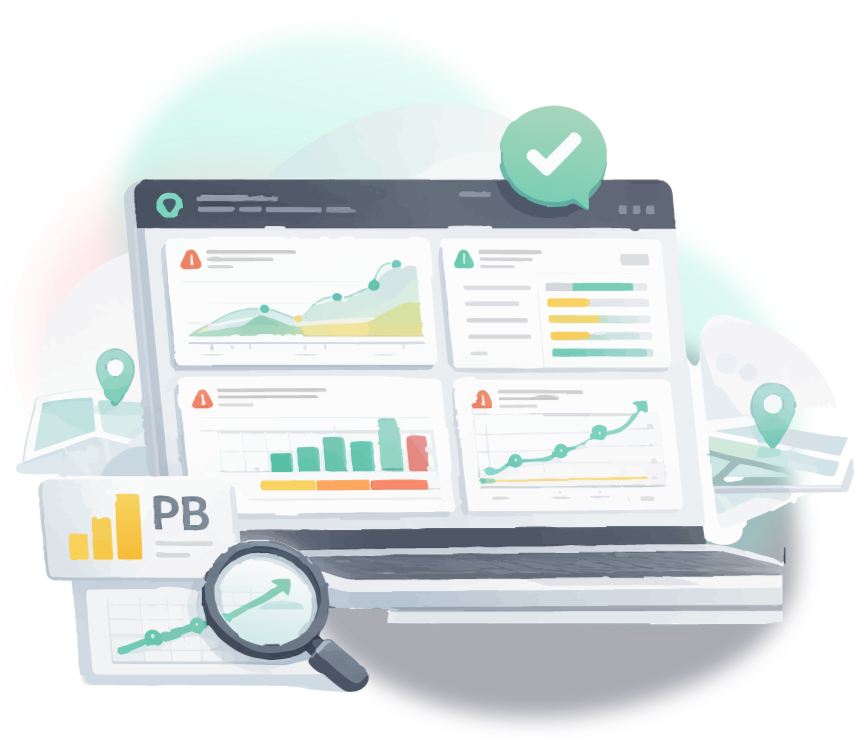
Designing Power BI dashboards used by regional leadership
Creating standardized metrics across shifts and sites
Partnering with Talent Acquisition, HR, and Operations to ensure adoption
The Solution
The final system provided:
Live headcount vs. plan tracking by shift
6-week staffing forecasts with projected gaps
Hiring effectiveness metrics week-over-week
Applicant flow visibility (organic vs. sourced)
Training capacity constraints surfaced early
Leaders could move from “What happened?” to “What do we do next?” in minutes.
This transformed staffing from a reactive function into a forward-looking operating capability.